Diesel diagnostics
Codes pulled at the truck, no-starts and derates chased with tests, verdicts in plain words before parts move.
Newark freight has no quiet corners. The port complex moves boxes around the clock, the Turnpike moves everything else, and the airport cargo city squeezes between them, all of it on some of the most unforgiving pavement in the country. When a truck dies in that machine, East Mobile NJ Truck Repair brings the fix to it: the drayage yard, the cargo apron approaches, the warehouse rows of the Ironbound and Kearny, or the shoulder where the Turnpike finally said no.
Diesel, brakes and air, chassis and trailer work, tires, electrical. One number, answered by people who measure distance in exits.
The territory is the northeast freight knot: Port Newark and Elizabeth's terminal approaches, the drayage yards of Kearny and the Ironbound, the airport cargo corridors, and the Turnpike with its numbered exits that everyone quotes like street addresses. Routes 1-9, 78, and 280 fill in the grid. Nothing about this map is calm, and mobile repair here is a traffic skill as much as a mechanical one.
Access is the local puzzle: terminal rules, container yard gates, appointment windows, and the eternal question of where a service truck can legally stand. We solve that puzzle daily, which is most of why the phone rings.
Symptom, location with gate detail, load status, movability. From that: probable fault, on-site verdict, and a window quoted against North Jersey traffic in its current mood. If your appointment or vessel cutoff is tight, lead with it, because the honest answer about making it is worth more than a hopeful one.
Bay-job verdicts come free on the phone when the symptoms are clear. Around here a wasted service call costs everyone a slot, so we do not sell them.
Codes pulled at the truck, no-starts and derates chased with tests, verdicts in plain words before parts move.
Leaks, chambers, valves, adjustment. Queue creep and corridor traffic punish brakes and we set them to spec on location.
Lights, seven-ways, air lines, landing gear, doors. Roadability failures fixed at the staging lot, sets checked whole.
Marine air plus road salt equals corroded connections. We test end to end and cut the rot out instead of masking it.
Changeouts and repairs at the yard, pressures across the set, torque verified.
Scheduled sweeps timed to gate calendars, roadability checks included by default.
Port drayage runs on margins that make honest mechanics valuable: a chassis that bounces at the gate twice is a contract problem, not a maintenance one. Fleet accounts get yard rounds, unit histories, and roadability-minded sweeps that catch the gate failures before the gate does. Independents hauling boxes get the same standards, one truck at a time.
Every visit ends with a decision: released, flagged, or shop-bound with paperwork. Terminal clocks do not wait for maybes.
Location detail rules everything here. Gate, yard, row, exit number. Then the rig and the story.
The staging areas and near-terminal yards, constantly. Inside secure zones follows each facility's vendor rules, which we know cold. Name the terminal and you will get the exact choreography on the first call.
Usually same-visit: lights, air, and tires cover most bounces. We also sweep the rest of the set so it does not bounce again next week, which is where the real money hides.
By the shoulder's rules. Where standing room is safe we work; where it is not, we coordinate the short move or the authority assist first. This road has no patience for improvisation and neither do we.
It changes the triage priority, so say it up front. Detention math is real money and we plan the repair order around it when we can.
The cargo-side approaches and the freight lots around them, yes. Air cargo timing gets the same clock-first treatment as vessel cutoffs.
The port does not observe them and neither does the dispatch line. Same triage at every hour, better traffic at some.
Daily. Tight courts, hard duty cycles, liftgates that quit mid-pallet. That neighborhood is practically a second home yard for us, and the stock on our trucks reflects its habits.
This corridor is one of the best parts markets on earth, and sourcing here runs in hours, not days. We quote the real sourcing time immediately, keep you posted, and nobody waits at a truck wondering what the plan is.
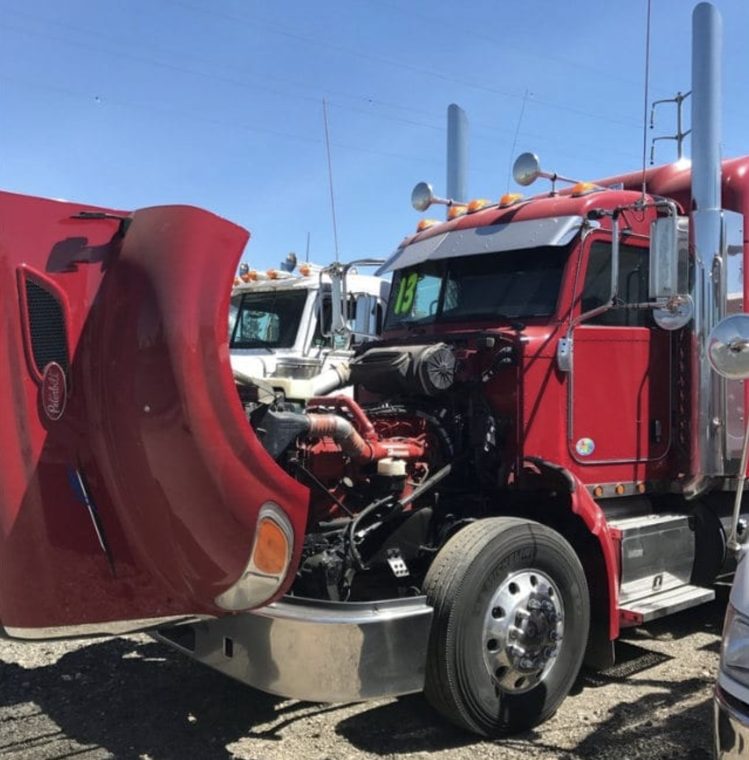
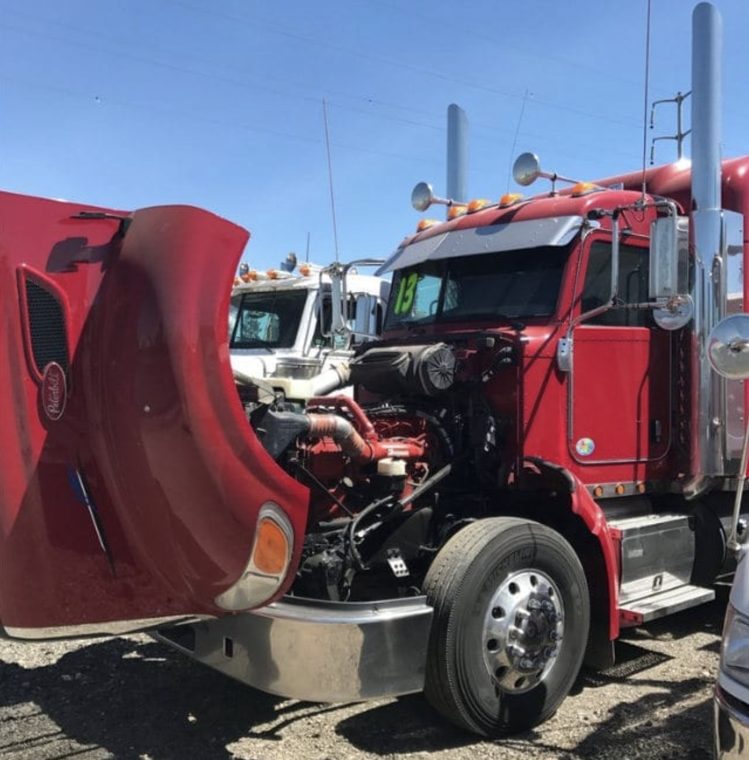
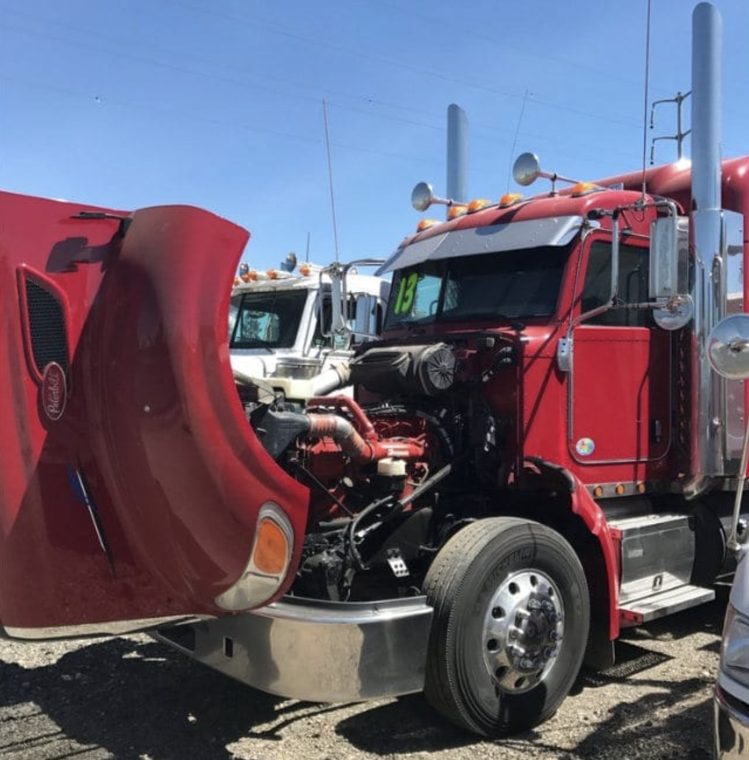
Chassis equipment dominates our repeat work for the usual reason: loaded weight, outdoor life, and maintenance that happens when something fails. We treat every chassis call as a set inspection, lights to landing gear, because the second gate failure is always more expensive than the first ten minutes of checking. Tires here die young from pavement that has been eating trucks since before anyone alive can remember it smooth.
Winter brings salt corrosion on top of the marine air, a combination that murders connectors, and summer brings queue-idling heat that finds every weak hose. The stock on our trucks reflects both, all year, because this corridor never really has an off-season.
The warehouse density east of downtown Newark and across the Passaic in Kearny packs more dock doors per square mile than almost anywhere in the country, and the equipment serving them works in tight courts where a tow truck is a geometry problem. Mobile repair fits where hooks do not. We work those yards daily, know which courts a service truck can turn in, and carry the stock their common failures demand: liftgates, lighting, air fittings, and the batteries that city duty cycles murder.
For the operators who live in those yards, the practical promise is simple: your equipment mostly gets fixed without leaving the neighborhood.
The corridor's weather arrives with an attitude: nor'easters that shut the port, heat waves that cook queue-idled engines, and the salt-plus-marine-air combination that makes North Jersey wiring a renewable resource for mechanics. We staff and stock around the forecast, run preparation calls before named storms, and triage the aftermath in operational-priority order. The corridor never fully stops, and the phone follows suit.
Everything on this corridor bills by time: per diem, detention, demurrage, driver hours. Mobile repair is the only maintenance model that respects that arithmetic, because it is the only one where the truck never spends an hour just traveling toward its own fix. On the tightest freight lanes in America, that difference compounds daily, and the operators who run the numbers keep running them our direction.
Everyone in drayage knows the arithmetic: per-diem and detention charges turn small repairs into large invoices by adding time to them. Mobile repair attacks the time term directly. The technician moves while your box holds still, the fix happens inside the clock instead of after it, and the equipment goes back to earning instead of accruing. On this corridor that is not a convenience story, it is a margin story.
From the terminal approaches to the Kearny yards to the Turnpike's numbered exits, the working answer is the same: call, describe, decide. We bring the parts, the credentials knowledge, and the verdicts that hold up. Save the number before the corridor makes you look it up in a hurry.
Gate or exit, symptom, load. Verdict, window, wheels. That is the entire process, and it works at every hour this corridor keeps.